This year, it's decided: your holidays will be active. Whether you're heading to the sea, the countryside, or the mountains, whether you're looking for a complete change of scenery or want to discover your region from a new perspective, a sports holiday requires preparation.
Follow our advice for a holiday full of excitement and unforgettable memo.

Prepare Yourself Physically
Being active and exercising is always a good idea as long as you don't overdo it. If you're planning to take up a sport that you don't usually practice during your holidays, you need to prepare for it.
Taking on a physically demanding week when you're not used to it is a major risk factor. A few weeks before your departure, include strength training in your routine and work on your cardio and endurance. Your preparation should be gradual and progressive, and tailored to the activities you plan to do.
If you're planninga few days of trekking, the goal will be to strengthen your leg muscles to help protect your joints.
If you're planning a cycling holiday but you're not someone who rides regularly, go on a few rides of increasing distance to help your back and your seat adapt to spending long hours on the bike.
If you're heading off forwater sports such as windsurfing, canoeing, kayaking or paddleboarding, prepare your arms and shoulders so they can cope with prolonged effort and reduce the risk oftendonitis.
Choose Activities That Suit You
Your holidays can be the perfect opportunity to step outside your comfort zone and try something new. However, to keep the adventure from turning into a nightmare, choose activities that match your physical abilities and your overall health. If the challenge is too ambitious, you may be tempted to push through anyway so you don't feel like you've wasted your holiday. But that's often when accidents happen.
Listen to your body and pay attention to how you feel. If something feels too demanding and the conditions aren't right, never hesitate to stop and turn back. No sporting experience is worth ending with an injury!
If you still want to push your limits, consider joining a sports club. Qualified and properly equipped professionals will give you the advice and techniques you need to challenge yourself safely.
Stay focused, whatever sport you choose to practise. The injury risks associated with some sports are obvious for example, downhill mountain biking carries a high risk of falling. Yet statistics show that during the holidays, football is actually the sport responsible for the highest number of injuries!
If you're unsure before leaving, it's always a good idea to seek advice from a healthcare professional.
Pack Your Bags (and Your First Aid Kit!)
You don't need to spend a fortune on cutting-edge equipment for your sporting holiday. Just remember a few essentials:
- Breathable technical clothing. In many cases, shorts and a T-shirt will do the job.
- Sports underwear in the right size. It's easy to overlook, but underwear with elastic digging into your groin or a sports bra rubbing your shoulders can really spoil your experience.
- Suitable, sturdy and comfortable shoes that you've already broken in to reduce the risk of blisters. Pair them with good-quality socks, and your feet will thank you.
- If you're going on a cycling trip, invest in a pair of cycling shorts. There's no need to buy the most expensive model. Many sports retailers offer affordable entry-level options that are perfect for getting started. Choose a model with a chamois pad suited to your body shape and long enough to reach mid-thigh to reduce friction. And don't forget—they should be worn without underwear!
- A lightweight and comfortable hiking backpack with a capacity suited to your needs.
- Hats, caps, sunglasses and UV-protective clothing—everything you need to protect yourself. Remember that while SPF 50 sunscreen is essential, it should be considered your last line of defence.
When you're heading off on an active holiday, a first aid kit is no longer optional. Here's what you should pack:
- An antiseptic
- Saline solution
- Hand sanitiser
- Sterile gauze pads
- Gloves
- Medical tape
- Hydrocolloid ("second skin") dressings
- Round-ended scissors
- Tweezers for removing splinters or other foreign bodies
- Haemostatic gauze
- Tick removers
- Insect repellent spray
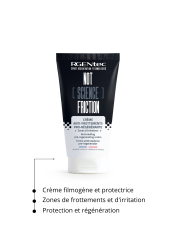
- An anti-chafing cream
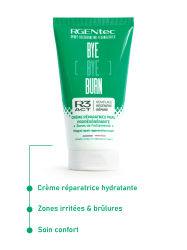
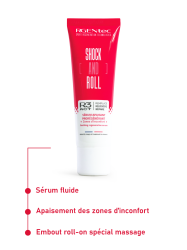
- A repairing and soothing cream
Above All, Enjoy Yourself!
That's what holidays are all about, isn't it?
Don't feel you have to break records or pack your days with spectacular activities. Alternate intense days with quieter moments, and allow yourself time to relax. After all, you're on holiday to rest as well!