We all have good reasons for stopping exercise. A new job, pregnancy, an injury, a dip in motivation, the winter weather, or the challenge of balancing work, family life, and physical activity… And then, one day, the desire returns. You feel the urge to move again. You want to get back on track and improve your overall lifestyle.
That’s excellent news! Whatever your sport, your level, or the intensity at which you practice, physical activity is always beneficial for your health and well-being. However, to make your comeback sustainable, returning to exercise should not be taken lightly. Follow our advice to ensure you get back into it safely and successfully.

Why should you ease back into exercise?
During periods of inactivity, the body’s capacities decline. Muscles lose mass and elasticity. You become short of breath more quickly. Muscle soreness and fatigue are more frequent. Your VO₂ max decreases.
VO₂ max is the maximum amount of oxygen your body can absorb during physical exertion. For people who practice highly cardio-focused activities (such as running, for example), VO₂ max is a key indicator of fitness level and endurance.
Getting back into exercise too quickly, too intensely, and aiming for the same performance levels you had before your break involves real risks:
- By overloading muscles and tendons that are no longer used to such demands, you increase the risk of strains, sprains, tendonitis, and other joint or muscular injuries.
- Pushing your body beyond what it is prepared for can put strain on your cardiovascular system.
- An overly intense return may lead to overtraining: your body is exposed to excessive stress, your performance decreases, and both physical and psychological symptoms can appear.
Above all, if your comeback does not go as well as you had hoped, you are far more likely to give up altogether. And that would truly be a shame.
Our tips for a successful return to exercise

Get a medical check-up
This is especially important if you are over 40, if you had to stop exercising due to an injury, or if you have been away from physical activity for a long time. A doctor may prescribe a stress test to assess your cardiovascular capacity and provide personalized advice to help prevent risks and injuries.
Choose activities you enjoy
Pick a sport you genuinely like. Getting back into exercise is never easy, so give yourself the best chance of success by prioritizing enjoyment. You might choose an outdoor activity to make the most of the warmer spring weather, or invite one or more friends or family members to make the experience more motivating and enjoyable.
Set realistic goals
A gradual approach will be your best ally for a smooth return. Avoid being overly ambitious too soon. Remember, there is no such thing as a small goal. Wanting to feel less tired, stronger, or to reduce back pain is already an excellent starting point. Adjust the number and intensity of your sessions according to your level and current abilities. If possible, consider working with a coach for tailored guidance.
Check your equipment before you start
Haven’t worn your running shoes in years? Is your bike gathering dust in the garage? Can’t remember the last time you used your tennis racket? Before resuming, make sure your equipment is still functional and in good condition. Carry out any necessary adjustments or repairs. Inadequate equipment can negatively impact your experience and, in the worst case, lead to injury. Make sure everything is ready before you begin.
Never skip your warm-up
This golden rule is even more important when returning to exercise. Dedicate the first 10 to 15 minutes of each session to gradually activating your muscles and joints. They will become more flexible, elastic, and mobile. Warming up significantly reduces the risk of strains, tears, and muscle pulls. And remember to stay well hydrated during your workout.
Don’t forget the cool-down
At the end of your session, gradually lower the intensity. This helps your heart return to its resting rhythm and supports the recovery process. Use the final 10 minutes, for example, to stretch while breathing slowly and deeply. While opinions differ on the impact of stretching on muscle soreness, ending your workout calmly is an excellent way to relax and fully enjoy the benefits of your session.
Think about your overall lifestyle
Make your return to exercise part of a broader, healthier routine. Take the opportunity to rebalance your diet if needed. Increase your daily hydration. Pay attention to your sleep by aiming for7 to 9hours per night and maintaining consistent bedtimes and wake-up times.
Take care of yourself and your recovery
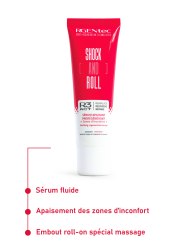
Resuming exercise may come with muscle soreness or joint discomfort. Use your recovery time to relieve these sensations and look after yourself. Enjoy a warm bath or try self-massage techniques (the Shock and Roll roll-on works wonders for post-workout soreness). After all, you’ve earned it.